

7 Surf Destinations in Europe Worth Visiting
Europe has a strong and surprisingly diverse surfing culture. The Atlantic Ocean provides some of the continent’s best-known surfing areas, but the North Sea also has spots that attract surfers from across Europe and beyond. Portugal plays a leading role, while France, Spain, Ireland, England and even Denmark each offer their own distinctive surfing environment.
Good waves are important, of course, but there is more to a surf destination than that. The variety of spots, the local surf scene, conditions throughout the year and activities outside the water all help determine what makes a place worth visiting. Each of these seven destinations reveals a different side of Europe’s surfing culture.
Ericeira, Portugal
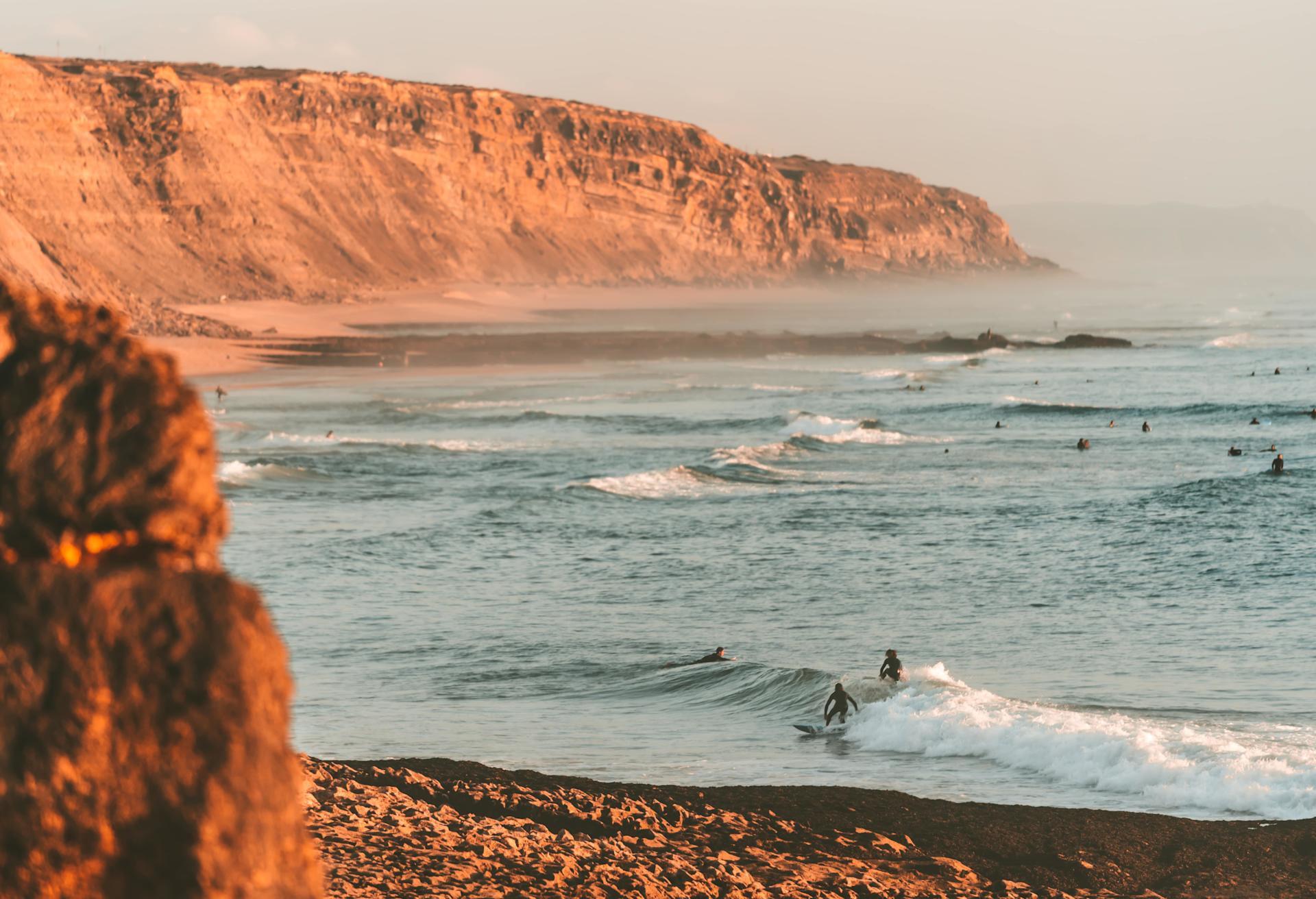
Ericeira is one of Europe’s most important surfing destinations. Surfing is woven into everyday life in this Portuguese coastal town, which became Europe’s first World Surfing Reserve in 2011.
Numerous breaks with a wide range of conditions can be found along a relatively short stretch of coastline. Well-known spots such as Ribeira d’Ilhas attract experienced surfers, while other beaches are suitable for those with less experience. Add the many surf schools, shops and accommodation options, and it is easy to understand why Ericeira is so closely associated with the sport.
Anyone wishing to explore more of the Portuguese coast can bring along Spain & Portugal – I Love the Seaside. The guide features interesting places and addresses along the coast, making it a useful companion for a surfing trip through Portugal.
Peniche, Portugal

Peniche lies on a peninsula on Portugal’s west coast, giving it a particularly interesting location for surfers. Different sections of its coastline face different directions, so conditions can vary considerably depending on where you enter the water.
Its most famous spot is Supertubos. These powerful, hollow waves are among the best known in Portugal and have earned Peniche a permanent place on the international surfing scene. The area around Baleal offers different types of breaks and is home to numerous surf schools. This combination makes Peniche an interesting destination for surfers with varying levels of experience.
Spain & Portugal – I Love the Seaside is also a fitting choice for anyone interested in discovering more of the surrounding coastline.
Hossegor, France
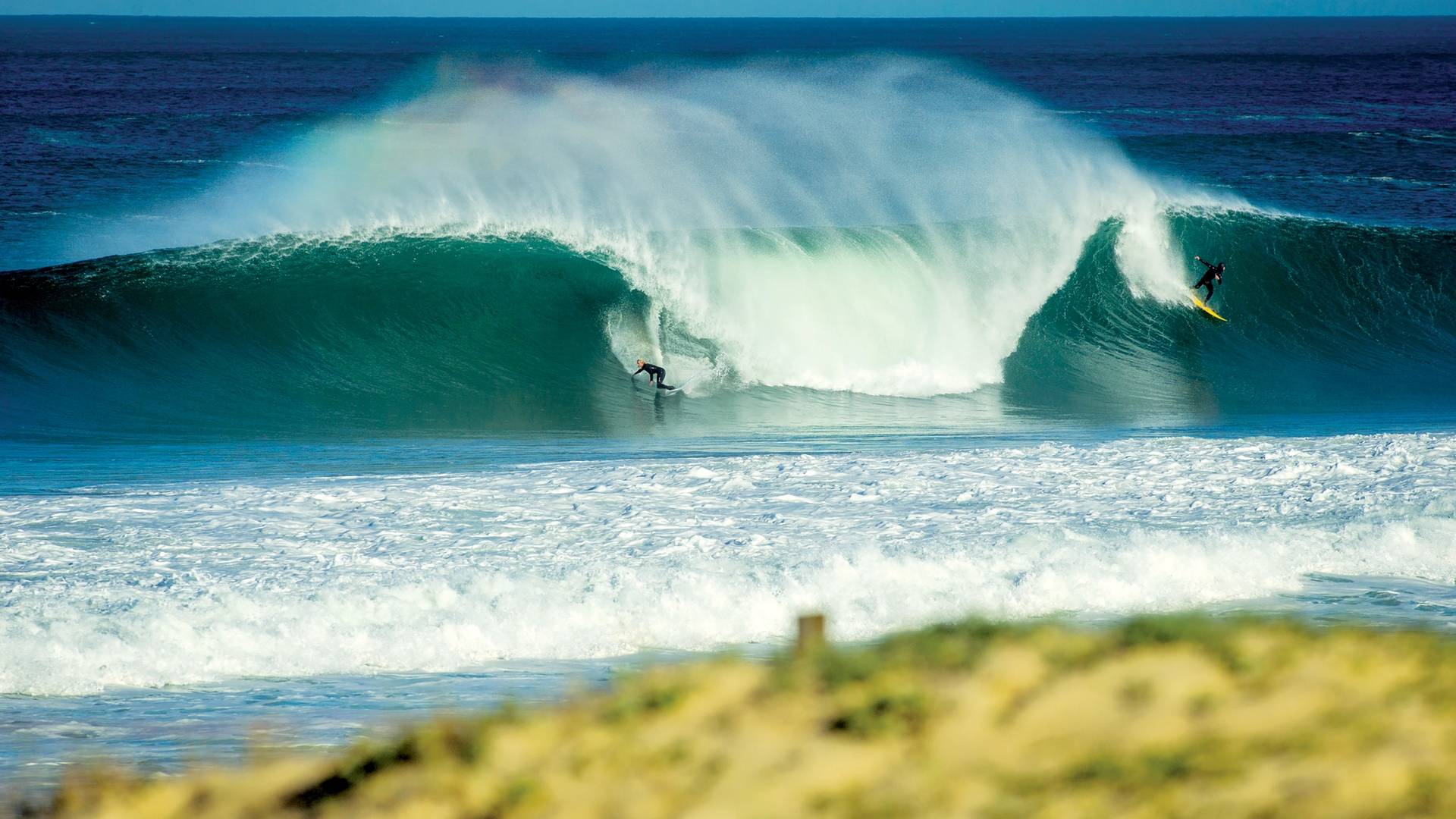
Hossegor is one of the established names in European surfing. The sandbanks off France’s Atlantic coast can produce powerful and exceptionally fast waves. Its famous barrels are particularly popular with experienced surfers.
The local surf scene is not limited to a single beach. Hossegor forms part of a much larger surfing area along the Landes coast, with Capbreton and Seignosse located nearby. Surfers therefore have plenty of different places to enter the water.
The influence of surfing culture is equally visible away from the ocean. Surf shops, cafés and events make the sport an unmistakable part of life along this coast.
France – I Love the Seaside is a suitable guide for anyone combining Hossegor with other destinations along the French coast.
Fuerteventura, Spain
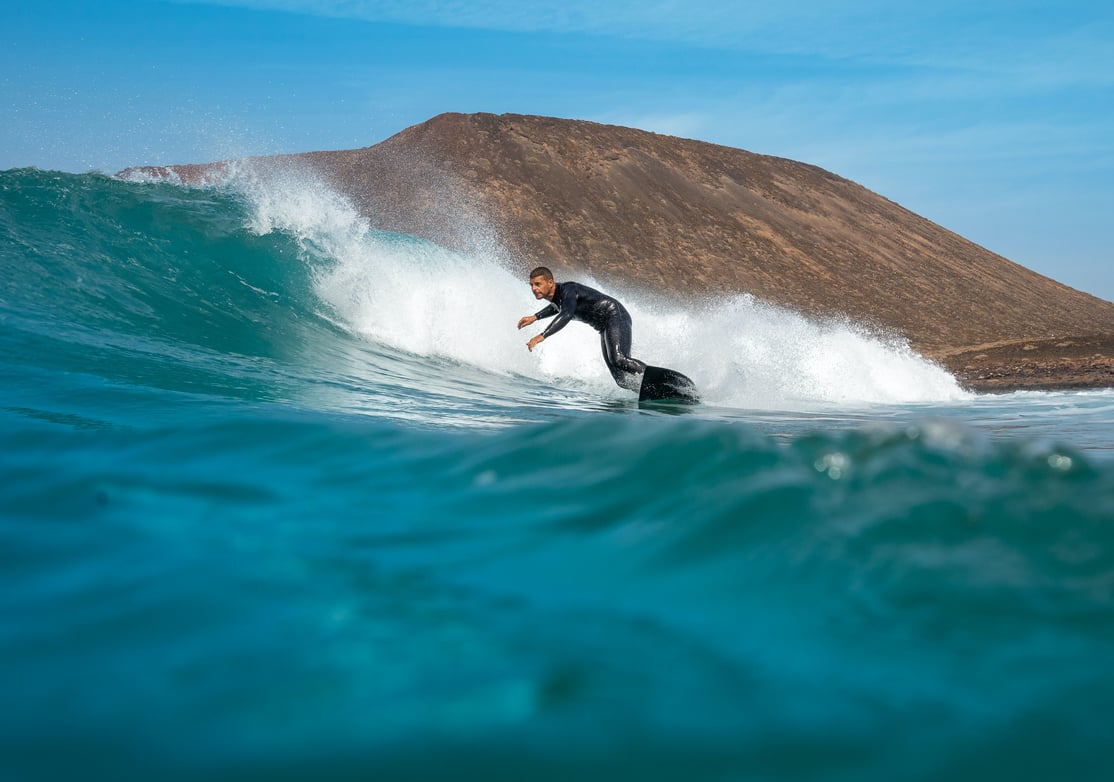
Fuerteventura’s volcanic landscape provides a striking backdrop for a surfing trip. The Canary Island has a large number of surf spots and benefits from a mild climate, allowing surfers to visit during much of the year.
Conditions vary considerably around the island. There are accessible beach breaks as well as rocky reef breaks that can be highly technical. Wind also plays an important role, which explains why Fuerteventura attracts many windsurfers and kitesurfers in addition to traditional surfers.
A rental car is useful for exploring different parts of the island. Lanzarote & Fuerteventura walking - Cicerone provides a practical guide to everything else the destination has to offer.
Bundoran, Ireland
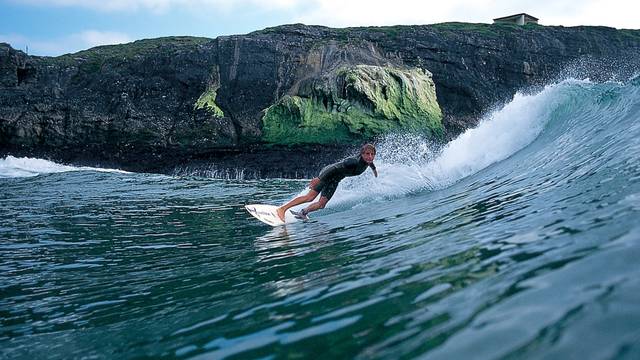
Ireland’s west coast receives Atlantic swells directly, and Bundoran has built a strong surfing culture around them. Conditions can be challenging, and several breaks in the area have an excellent reputation among experienced surfers.
One of the best known is The Peak, a reef break located just off Bundoran. The surrounding area also has beaches and other spots that are more accessible when conditions are suitable.
Surfing in Bundoran has a very different character from a trip to southern Europe. Cold water, unpredictable weather and Ireland’s rugged coastline are all part of the experience. For many surfers, that is precisely where much of its appeal lies.
Great Britain & Ireland – I Love the Seaside offers additional inspiration for anyone combining their surfing trip with a journey along the Irish coast.
Newquay, England
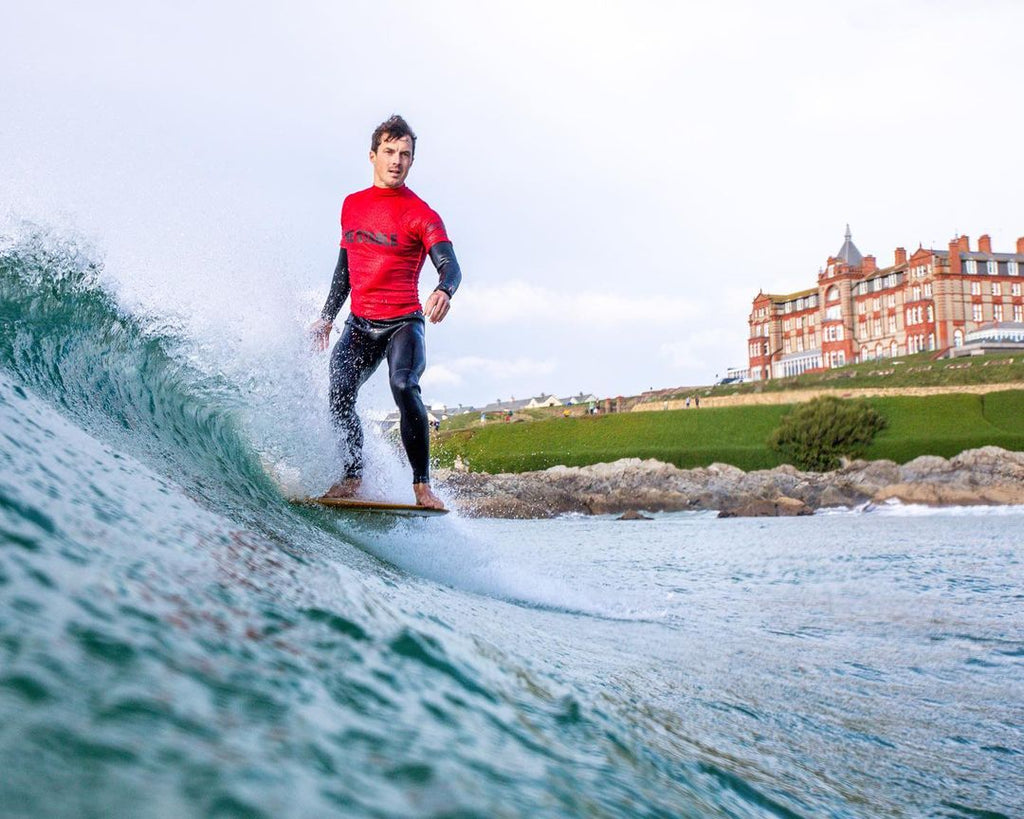
Newquay has been an important centre of British surfing culture for decades. It lies on the northern coast of Cornwall, where the Atlantic Ocean regularly produces good swells.
Fistral Beach is its most famous surfing beach and has played a significant role in the development of Britain’s surf scene. Several other beaches can be found around Newquay, however, so there is much more to discover than Fistral alone. Surf schools, equipment rental services and specialist shops can be found throughout the area.
Cornwall also has plenty to offer away from the water. Its rocky coastline, small coastal towns and walking trails make it easy to combine surfing with a longer journey through the region.
Great Britain & Ireland – I Love the Seaside fits perfectly with such a trip.
Klitmøller, Denmark
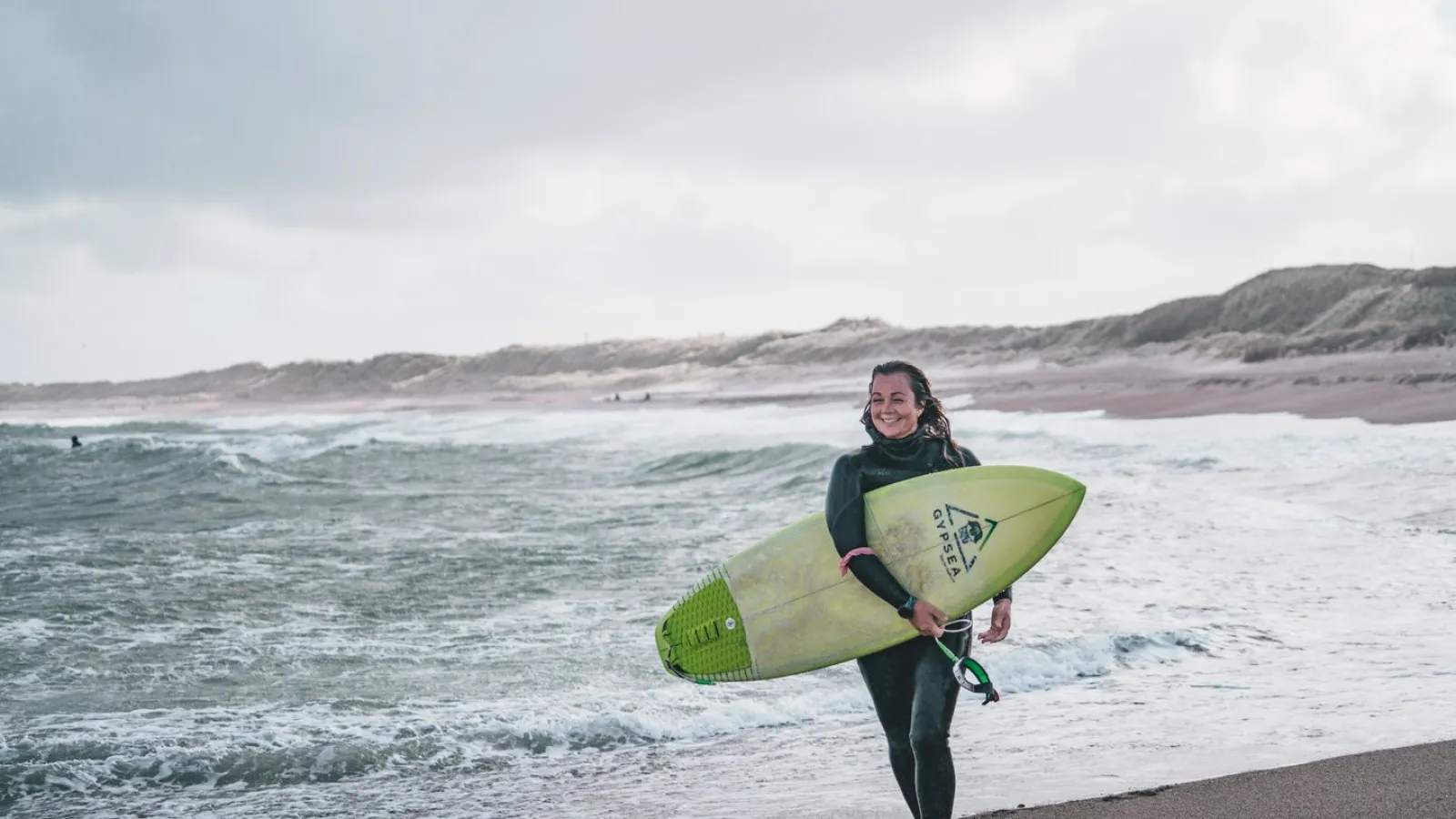
Klitmøller proves that a European surfing destination does not need to be located on the Atlantic Ocean. This small Danish coastal village on the North Sea has earned the nickname Cold Hawaii within the surfing community.
Wind and waves have created a thriving watersports community where surfing, windsurfing and kitesurfing exist side by side. Conditions naturally differ from those found along the Portuguese coast: the water is colder, and the North Sea has a character all its own.
Klitmøller is also located beside Thy National Park, making the surrounding area worth exploring away from the water. The Nationalpark Thy – Calazo map is a natural addition for anyone wishing to do so.
Europe as a Surfing Destination
Ericeira, Peniche and Hossegor are among the biggest names in European surfing, but they tell only part of the story. Fuerteventura offers a completely different landscape and climate, while Bundoran and Klitmøller show how strongly surf culture has developed along Europe’s colder coastlines. Newquay, meanwhile, occupies a special place in the history of British surfing.
The most interesting destination ultimately depends on the kind of waves you are looking for, your experience, the season and what you would like to do when you are not surfing. It is precisely this variety that makes Europe such a fascinating continent to explore with a surfboard.