

6 spooky places in Europe and the stories that still haunt them
A castle where the ghost of a murdered priest is said to wander. A chapel built over a supposed gateway to hell. Underground tunnels filled with human skulls. If you're looking for a spooky Halloween getaway, Europe has plenty of places to explore.
These six destinations each have a dark story to tell. Some have been passed down for centuries, while others are based on real events. From a ruined castle in the Belgian Ardennes to the catacombs beneath Paris, here are six places to visit for a different kind of Halloween experience.
Read the stories before you go. That old chapel or dark castle staircase might feel a little less innocent once you're standing there.
1. La Roche-en-Ardenne, Belgium
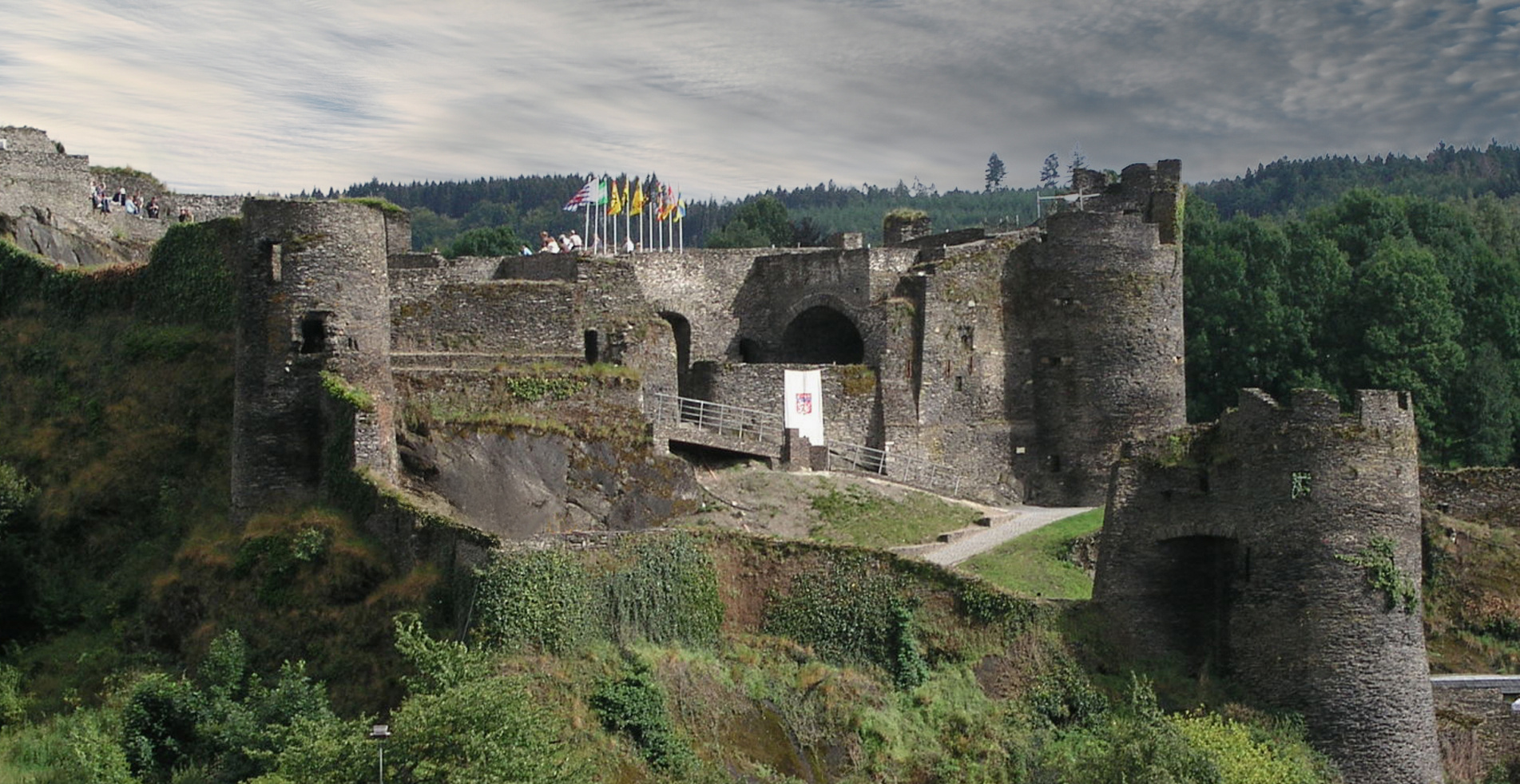
Long ago, in the days of knights and castles, the lord of La Roche wanted to find a husband for his daughter, Berthe. He organised a tournament. Whoever won would marry her.
The Count of Montaigu seemed certain to win before the fighting had even begun. He was so big and strong that nobody dared challenge him.
Until, at the very last moment, a small knight appeared.
Montaigu laughed. But his opponent dodged every attack. When the count lost his balance, the unknown knight struck. Montaigu fell to the ground, dead.
That evening, Berthe married the winner.
The next morning, the newlyweds didn't come downstairs. Berthe's father went looking for them. He knocked on their bedroom door. No answer. He pushed it open.
The room was empty. The window was open. Far below, two bodies lay on the rocks.
The mysterious knight was actually Alix de Salm, a woman whom Montaigu had once promised to marry. According to legend, she had called upon the devil to help her take revenge. On Montaigu, and on his new bride.
Today, you can visit the castle ruins overlooking the River Ourthe. Berthe's ghost is said to still wander the grounds.
Suggestion: Sentiers de l'Ardenne GR14 Monschau à Sedan 275km SGR 14
2. Leap Castle, Ireland
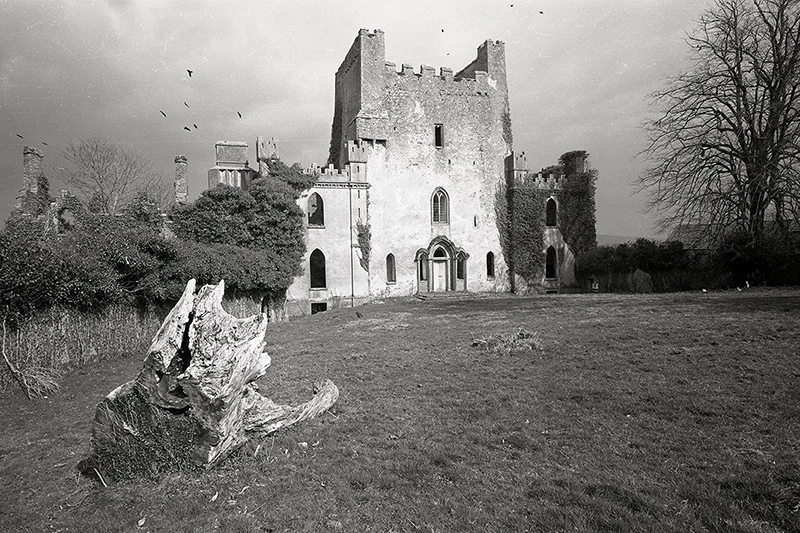
In 1532, the head of the O'Carroll family died. At Leap Castle in County Offaly, a struggle began over who would take his place. His two sons became bitter rivals. Even within the castle walls, nobody was safe.
The older brother was a priest. One day, he began celebrating Mass in the upstairs chapel before his younger brother had arrived.
He had decided not to wait.
When his younger brother found out, he took it as an insult.
Furious, he stormed into the chapel and murdered his brother in the middle of the service.
That could have been the end of the story. But years later, people claimed to have seen the priest again. In the very chapel where he had died.
Today, the room still exists. It's known as the Bloody Chapel. The story has remained tied to it ever since. Anyone climbing those stairs knows who might be waiting at the top.
Suggestion: Laois / Offaly / Tipperary Ordnance Survey Ireland 54
3. Houska, Czechia
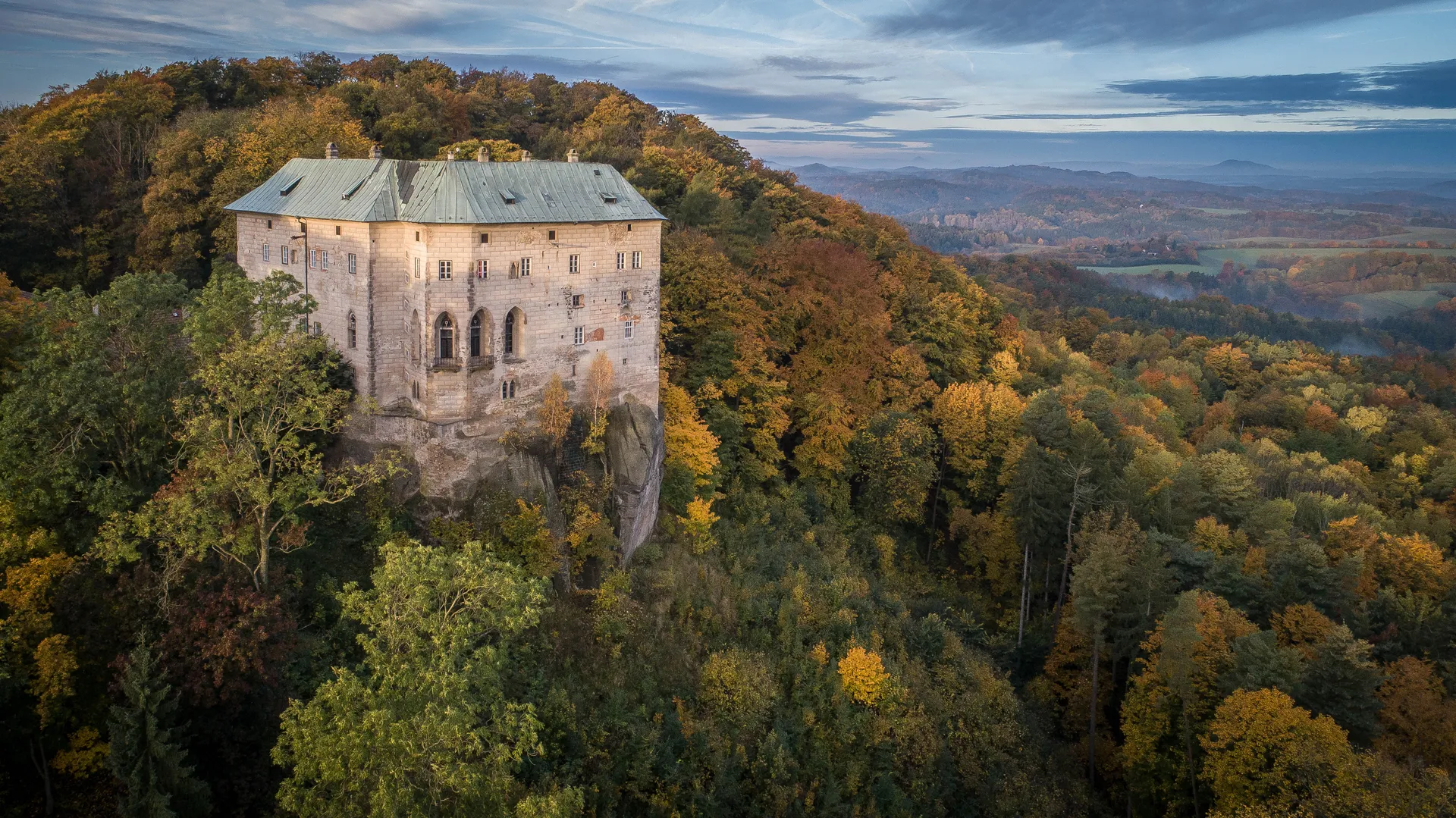
Before Houska Castle was built in the 13th century, there was, according to legend, a hole in the rocks so deep that nobody could see the bottom.
Rumours spread that it led straight to hell.
The locals wanted to find out whether the rumours were true. They lowered a prisoner into the opening on a rope.
When they pulled him back up, something had changed.
The man who had gone down looked as though he had aged several decades. Whatever had happened in the darkness below remained a mystery.
Later, Houska Castle was built on the site, north of Prague. According to the story, its chapel was constructed directly over the opening. The sacred room was meant to seal the hole and prevent whatever was down there from coming back up.
Today, you can visit the chapel. The opening itself is nowhere to be seen. But once you know the story, it's hard to focus only on the walls and paintings. Your eyes will probably drift towards the floor.
Suggestion: Prague & the Czech Republic
4. Glamis, Scotland

One Saturday evening, a count was playing cards at Glamis Castle. Known as Earl Beardie, he had only one thing on his mind: keeping the game going.
But midnight was approaching. Sunday was about to begin, the Christian day of rest when gambling was forbidden. His fellow player decided to stop.
The count was furious. If nobody else would play cards with him, he would play against the devil himself.
Someone knocked on the door.
A stranger dressed entirely in black stepped inside. He was more than happy to join the game.
The count dealt the cards. First, he lost his money. Then his land. He kept gambling until he had nothing left to offer but his soul.
And he lost that too.
The following morning, the two men were still sitting at the table. The morning after that, they were there again. According to legend, the count kept playing, hoping to win back his soul. His opponent had all the time in the world.
Today, you can visit Glamis Castle in Angus. The legend is linked to a hidden room somewhere inside the castle, where the game is said to be continuing to this day. After all these centuries, the count apparently still hasn't won.
Suggestion: Scotland Rough Guides
5. Sedlec, Czechia

During the Middle Ages, more and more people were buried near the monastery of Sedlec. Famine, disease and war had claimed countless lives in and around Kutná Hora.
Eventually, old graves had to be reopened. The bones were collected and placed in the lower chapel of the Church of All Saints. This allowed the remains to stay underground while making room for new burials above.
But the bones didn't all remain in piles.
They were used to decorate the chapel. In the 19th century, woodcarver František Rint took the decorations even further. By the time he finished in 1870, garlands of human bones hung from the walls. There was a coat of arms made from bones. And above the visitors hung a chandelier constructed from human remains.
These bones had once belonged to people from the surrounding area. People who had worked, eaten and slept, until their lives came to an end and their bodies eventually found their way here.
Today, you can visit the lower chapel and see the decorations for yourself. They were meant to remind the living that one day, they too would die. At Sedlec, nothing needs to move and no ghost needs to appear to send a shiver down your spine. Looking up is enough.
Suggestion : Czech Republic National Geographic
6. Paris, France
By the late 18th century, Parisian cemeteries had become so overcrowded that they posed a threat to public health. In 1780, the city's largest cemetery, Saints-Innocents, was closed.
But the dead were still there.
A decision was made to move their remains into abandoned stone quarries, which at the time lay outside the city. Underground, there was space that no longer existed above.
From 1785 onwards, graves were emptied. The bones were transported at night to avoid opposition from the public and the Church.
At the quarries, the remains were lowered through shafts. Underground, workers waited to distribute them throughout the tunnels. Other cemeteries followed Saints-Innocents. The transfers continued, with interruptions, for several decades.
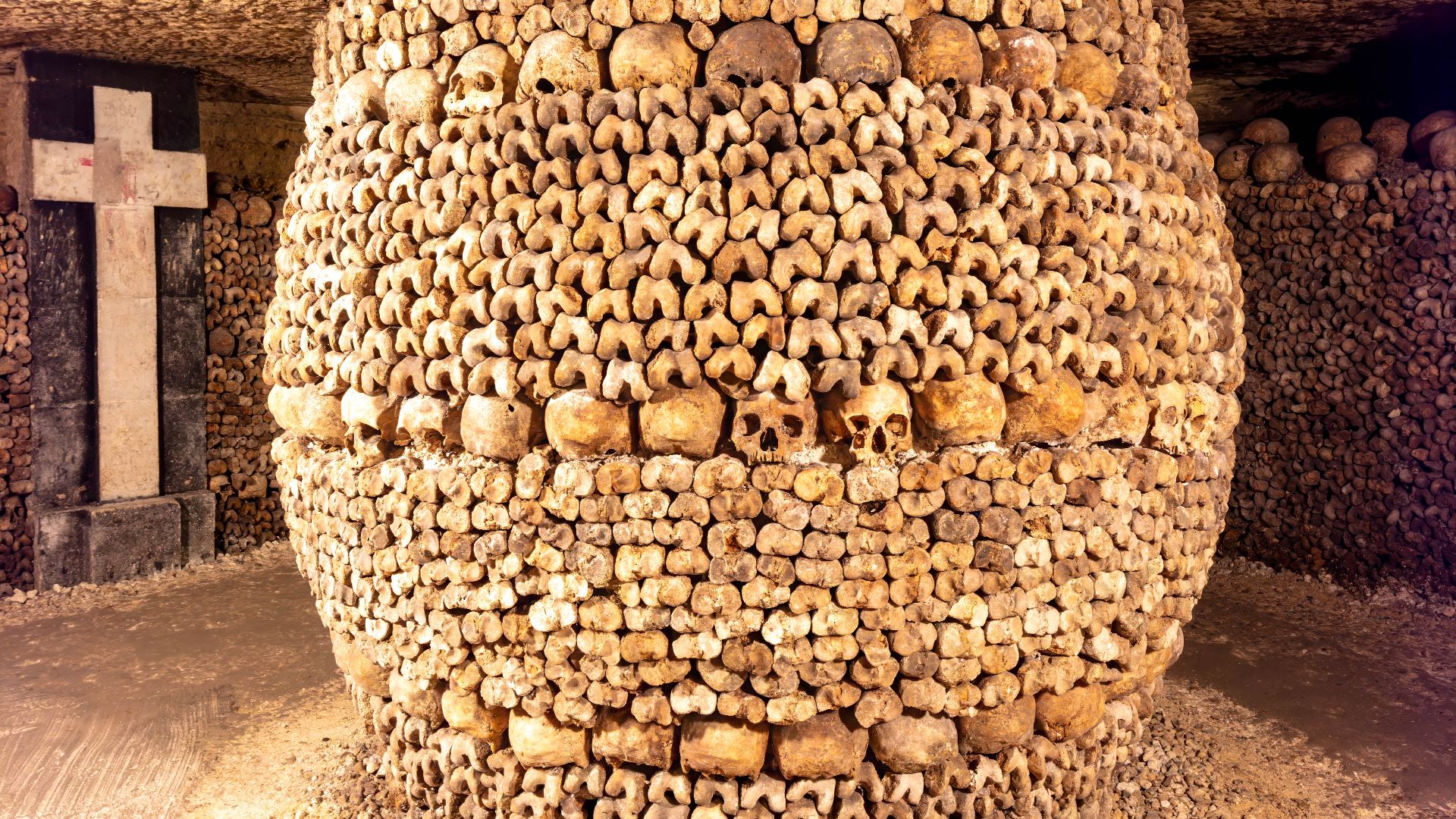
Later, the piles of bones were rearranged. Skulls were placed in long rows, with other bones stacked behind and between them.
Today, you can walk through part of these tunnels, known as the Paris Catacombs. The route takes you past the remains of former city residents. Above your head, Paris carries on with everyday life. Below, rows of empty eye sockets seem to stare at everyone who passes.
Where would you dare to go?
A day trip to the Ardennes or a few days exploring Scotland or Czechia? These places give you plenty of reasons to plan a Halloween adventure. Spend your days exploring and save the stories for the evening. Preferably while everyone is still awake to hear them.